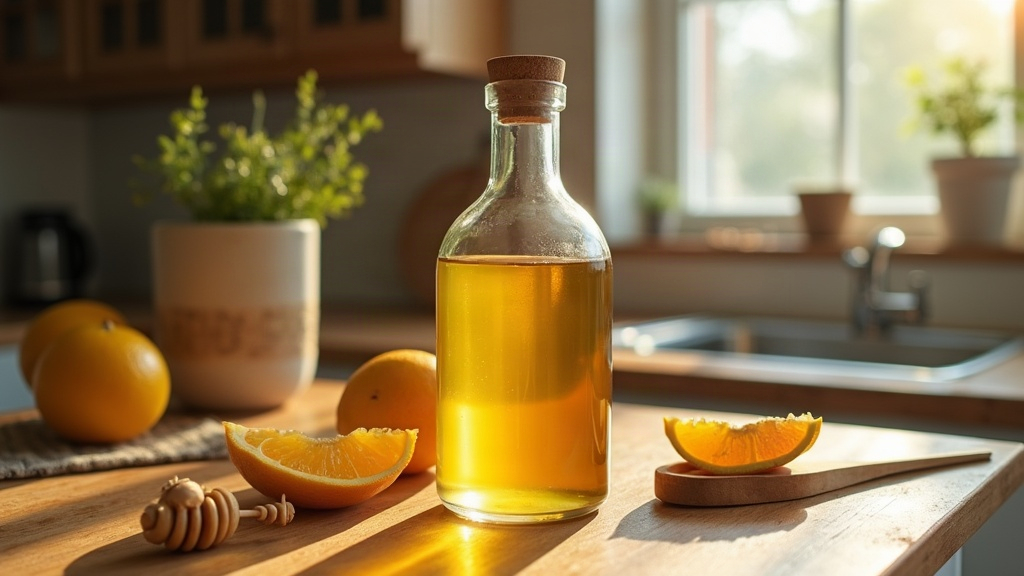
Long before it had a label on a store shelf, Biblical drink (oil)/ Honey blend was simply part of how families organized meals bought fresh from the local market. This page looks at the tradition behind it and the everyday habits that go with it — alongside, never instead of, the guidance of the doctor who already follows your care.
For many people who keep an eye on how they eat, the day doesn’t revolve around a chart — it revolves around lunch, dinner, and the small decisions in between.
That heavy, sleepy stretch mid-afternoon can make even simple errands after lunch feel like more effort than they should.
Some days begin already tired, before the coffee, before the walk to the stand — a start that colors the choices made for the rest of the day.
Every neighbor, every headline, every label seems to say something different about what belongs on the plate this week.
Three meals a day, seven days a week — the sheer number of small food decisions can be its own kind of tiring, separate from the food itself.
Some ideas about food travel from stall to stall faster than the produce does. A few of the most common ones are worth a second look.
All carbohydrates behave the same way on the plate.
Whole vegetables, grains and legumes digest differently depending on fiber and preparation — which is why many households simply pair carbohydrates with protein or vegetables, as a habit rather than a strict rule.
Fruit should be avoided altogether by anyone paying attention to their meals.
Whole fruit from the local stand comes with fiber and water that processed sweets don’t offer; portion and pairing tend to matter more than avoiding fruit entirely.
There’s a separate category of ‘diabetic food’ sold apart from everyday groceries.
Most familiar market staples can be part of everyday meals for most households; how a plate is put together is usually the more useful habit to think about than a special aisle.
None of these are rules — they’re habits some households build around meals bought fresh each week.
Some cooks serve vegetables and protein first, saving the starchier parts of the meal for after — an old habit from market kitchens, not a formula.
Eating without rushing, setting the fork down between bites, letting a meal take its time at the table is a habit as much about the day as about the food.
A walk to return an empty basket or check the mailbox after eating is a small, ordinary movement some people build into their evenings. As always, habits like these sit alongside — never in place of — guidance from the healthcare professional who already follows your care.
Long before supplement shelves existed, blends of honey and oil traveled through Mediterranean and Levantine kitchens as everyday pantry staples. They were drizzled over warm bread, stirred into simple grain dishes, or offered to guests as a gesture of hospitality at the family table. Market vendors who pressed oil and beekeepers who sold honey were often neighbors in the same square, and the two ingredients ended up side by side in recipes passed down more by memory than by measurement. The pairing shows up in old cookbooks and travelers’ notes as a flavor tradition — something served at breakfast or shared at the end of a meal, tied to hospitality and the rhythm of the table rather than to any medical purpose.
What survives today is mostly the memory of a flavor and a gesture of hospitality — a reminder that food habits often carry history long after their original context has changed.
A slump that shows up like clockwork, day after day, is worth mentioning to the doctor who already follows your care.
If deciding what to eat has become noticeably more difficult or stressful lately, that change is worth describing at your next visit.
Waking up tired even after a full night is a pattern your doctor can help put into context alongside the rest of your routine.
Noticeable shifts in how thirsty or hungry you feel are best discussed directly with your healthcare professional rather than guessed at.
Gradual changes in fit are easy to dismiss but worth mentioning at a checkup so your doctor has the full picture.
If everyday habits — meals, walks, sleep — have quietly become harder to maintain, that's a conversation for your doctor, not a do-it-yourself diagnosis.
These are individual accounts shared for illustrative purposes only. Results and experiences vary from person to person, and none of these statements are a guarantee of any outcome.
Explore how a habit rooted in the market and the kitchen might fit into your week — always alongside, and never in place of, the advice of the doctor who already follows your care. Nothing here replaces that conversation.
Advertising Disclosure: This page contains sponsored content and affiliate links. We may receive compensation if you click a link or make a purchase through the links provided on this page. This helps support the content and does not affect the price you pay.
Content Disclaimer: This content is for educational purposes only and has not been evaluated by the FDA. It is not intended to diagnose, treat, cure, or prevent any disease. Nothing on this page is medical advice and it does not substitute for guidance from a qualified healthcare professional. Always consult your doctor before changing your diet, routine, or any prescribed treatment.
Results Disclaimer: Individual results vary. Testimonials and examples shared on this page reflect personal experiences and are not a guarantee of similar outcomes for any other person.
© 2026 · All Rights Reserved